
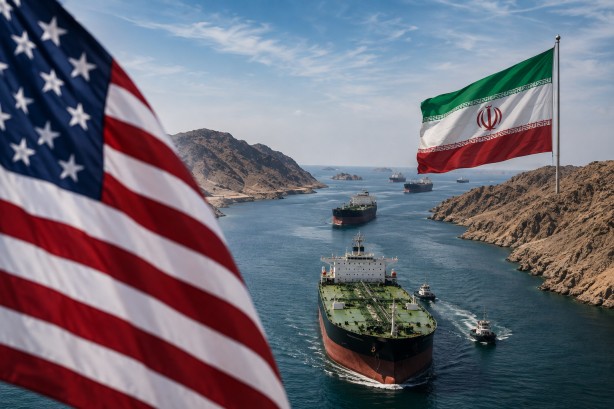
Negotiations between the United States and Iran to reopen the crucial Strait of Hormuz are reportedly moving forward, with a potential agreement anticipated within the next couple of days. U.S. Treasury Secretary Scott Bessent has shared that discussions with Tehran are making progress, expressing hope that a resolution could soon be in sight. He noted that once an agreement is reached, commercial vessels would be able to navigate the strategic passage without incurring toll charges, thereby maintaining free navigation.
Qatar, which is playing a significant role as a mediator in these talks, has indicated that a de-escalation plan is currently being circulated among the involved parties as diplomatic negotiations persist. The Strait of Hormuz is a vital channel for global oil and energy transport, and its operations have been significantly disrupted due to escalating regional tensions. However, the prospect of an agreement has already led to a decrease in oil prices, with market analysts predicting further reductions should regular shipping activities resume.
In a related move, President Donald Trump recently decided to postpone planned military actions against Iran to allow these diplomatic efforts to continue. He emphasized that any forthcoming deal should include provisions for reopening the Strait of Hormuz and addressing concerns about Iran’s nuclear activities. The U.S. and Iran had previously reached an understanding to restore operations in the waterway, but disagreements over shipping routes led to the breakdown of that agreement, exacerbating tensions once more.
Currently, negotiators are focused on crafting a new agreement that aims to reestablish maritime traffic through the Strait of Hormuz and mitigate the instability in the region. The outcome of these negotiations is highly anticipated, as a successful deal would not only ease regional tensions but also stabilize global oil markets, which have been on edge due to the disruptions in this critical corridor.
