
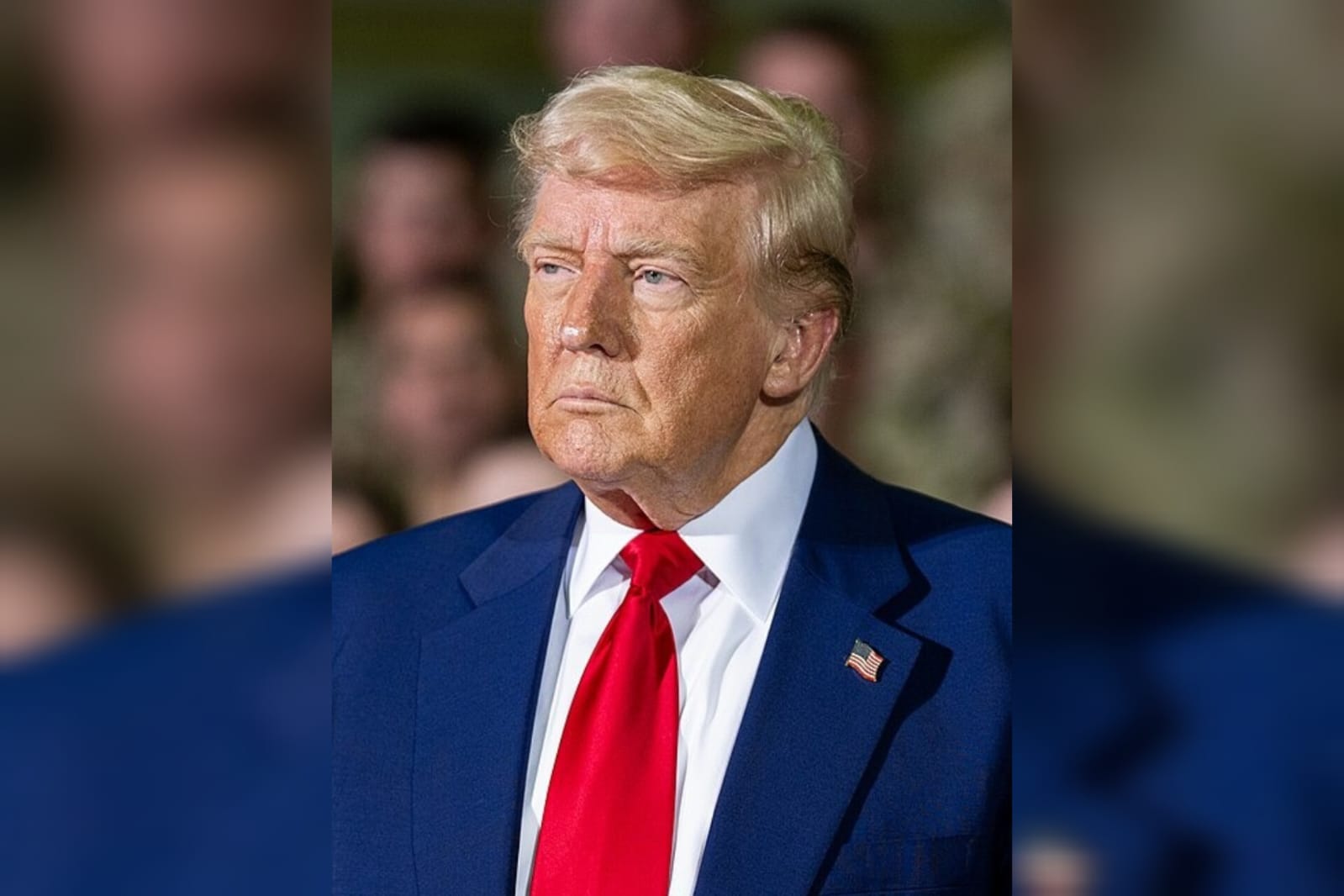
The recent memorandum of understanding (MOU) signed by U.S. President Donald Trump and Iran has sparked varied reactions globally, with some leaders viewing it as a diplomatic breakthrough while others criticize it for potentially rewarding Iran without securing clear commitments on its nuclear activities. The agreement has been praised by Pakistan’s Prime Minister Shehbaz Sharif for its diplomatic approach, highlighting its potential to reopen the Strait of Hormuz and initiate renewed negotiations between the U.S. and Iran. Similarly, the G7 leaders have welcomed the deal, considering it a significant step toward preventing Iran’s development of nuclear weapons and stabilizing global energy markets.
The main terms of the agreement involve Iran reopening the Strait of Hormuz, while the U.S. agrees to ease certain sanctions on Iranian oil exports, petroleum products, and related banking services. Both nations are set to engage in negotiations concerning Iran’s nuclear program and its stockpile of highly enriched uranium over the coming 60 days. This aspect of the deal has drawn sharp criticism from Israel, where political leaders and former officials argue that lifting economic pressures on Iran may empower it without effectively controlling its nuclear ambitions. Critics in Israel also expressed concerns about being excluded from the negotiation process and warned of potential increased security risks.
In the United States, reactions have been mixed. Some Republican lawmakers have shown cautious support for the diplomatic approach, citing benefits such as the reopening of the Strait of Hormuz and a reduction in hostilities. However, several Democratic leaders and other critics argue that the agreement grants Iran economic advantages while only obtaining vague commitments on its nuclear program. Despite these criticisms, President Trump has hailed the deal as a significant victory for the United States, whereas Iranian officials claim it as a success of their negotiation strategy.
The broad spectrum of responses underscores the contentious nature of the agreement, reflecting the complex geopolitical dynamics at play. While some view it as an opportunity to de-escalate tensions and pursue further diplomatic engagements, others remain skeptical about its implications for regional and global security. As the U.S. and Iran prepare for upcoming negotiations, the international community will be watching closely to assess the potential impact of the agreement on nuclear non-proliferation efforts and broader geopolitical stability.
