
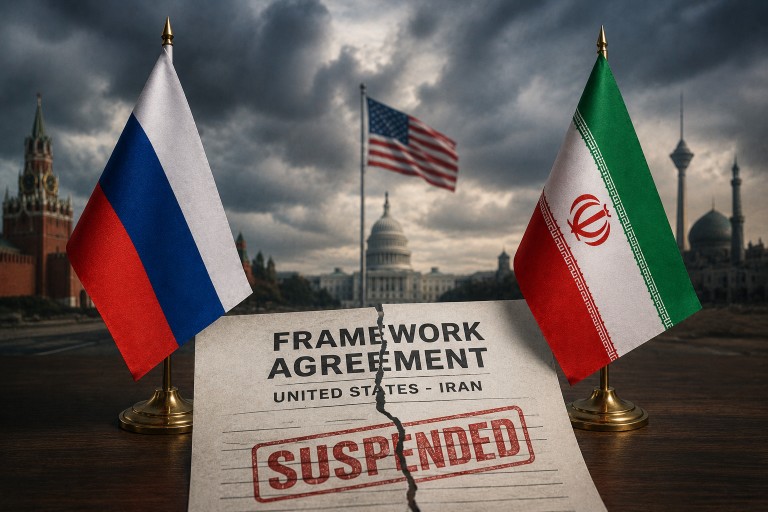
Iran has declared that its framework agreement with the United States is no longer in effect, accusing Washington of breaching the accord. This announcement comes amidst escalating regional tensions, with Iranian Deputy Foreign Minister Kazem Gharibabadi stating that Tehran has opted to suspend the agreement to prioritize its self-defense.
The now-defunct framework, established in mid-June, aimed to facilitate a sustainable resolution to hostilities between the two nations. The agreement set the stage for further negotiations on a comprehensive accord within a 60-day period and included clauses for the reopening of the strategic Strait of Hormuz. However, Iranian officials assert that the U.S. has not honored its obligations outlined in the Islamabad declaration of intent, undermining the deal’s effectiveness.
Initially, a ceasefire had been in effect since early April, but diplomatic efforts have faltered as tensions reignited in early July. This resurgence of conflict has contributed to the collapse of the framework agreement, leaving Iran feeling unbound by its terms.
The breakdown of this agreement underscores the fragile nature of diplomatic engagements between Iran and the U.S., highlighting the challenges in achieving lasting peace amid complex geopolitical dynamics. With the framework no longer viable, both nations face an uncertain path forward as regional tensions continue to simmer.
