
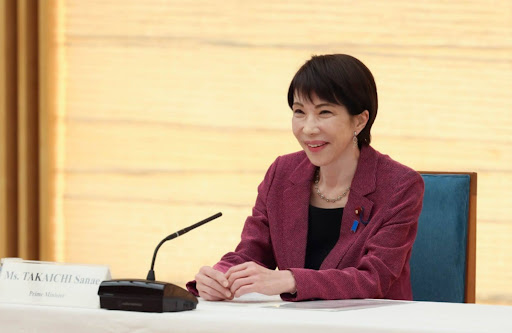
Japan has taken historic action to protect its energy supply, announcing the biggest-ever release from national oil reserves — 80 million barrels to refiners from Thursday — as the US-Israel conflict with Iran endangers the crude oil lifelines flowing through the Strait of Hormuz. Prime Minister Sanae Takaichi confirmed the deployment on X, describing it as essential to prevent domestic shortages and maintain economic stability. The action comes as Japan braces for what could be an extended period of supply disruption given the unpredictable nature of the regional conflict.
Japan’s structural dependence on Middle Eastern oil — accounting for over 90% of crude imports — leaves it uniquely exposed to Hormuz disruptions. The government has always recognized this vulnerability and has invested heavily in maintaining large strategic reserves. The current release, covering 45 days of national demand, reflects a mature and well-resourced response to a crisis that has been building for weeks.
The 80 million barrel release surpasses the previous emergency record by 1.8 times, dwarfing even the extraordinary response to the 2011 Fukushima disaster. Japan’s total reserves of approximately 470 million barrels ensure that this deployment, while historically large, does not leave the country dangerously exposed if the crisis continues. Officials have made clear that further reserve releases are possible if the situation warrants.
Consumer-facing measures include government subsidies capping gasoline at approximately ¥170 per litre, following record prices of ¥190.8. These subsidies will be reviewed weekly and may be adjusted upward or downward depending on global oil price movements. The trade ministry is working to ensure that supply chain disruptions in the oil sector do not cascade into broader consumer goods shortages.
Internationally, Takaichi has positioned Japan as a force for diplomatic engagement rather than military escalation. She declined Trump’s request for naval involvement at Hormuz, citing Japan’s constitution, and has committed to working with international partners to promote peace in the region. Japan’s response — combining historic reserve deployment with principled diplomacy — demonstrates that a resource-poor nation can confront energy crises without compromising its values.
