
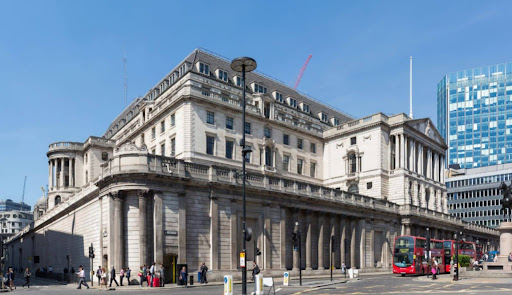
Policymakers at the Bank of England chose to hold interest rates at 3.75%, but the decision was overshadowed by the growing threat posed by the war involving the United States, Israel, and Iran to UK inflation and economic stability. The monetary policy committee voted unanimously to stay on hold, while simultaneously warning that energy prices driven up by the conflict could force rate hikes in the coming months. The Bank said it stood ready to act should inflation remain persistently above its 2% target.
UK inflation had been on a reassuring downward track before the war broke out, with forecasters expecting it to approach the 2% target by April. Those projections have now been thrown into doubt by the rapid rise in global oil and gas prices triggered by the conflict. The Bank now projects inflation climbing to around 3.5% in March and staying above target throughout 2026, fundamentally altering its near-term policy calculus.
Governor Andrew Bailey emphasised the direct link between the war and prices at UK petrol stations, warning that household energy bills could follow if supply chain disruptions persist. He said the Bank was not in a position to control the source of the inflation shock but could respond to it through monetary policy if necessary. His public messaging sought to reassure without committing the Bank to a specific course of action.
Markets moved sharply in response. UK government borrowing costs rose, the FTSE 100 fell, and the pound strengthened against the dollar as traders repriced UK interest rate expectations. City analysts began upgrading their probability estimates for rate hikes in June and later in the year.
For British workers and homeowners, the news arrives at a difficult time. Wage growth data published the same day showed a sharp deceleration, while unemployment stood at 5.2%, its highest level in five years. The prospect of rate hikes on top of rising energy costs represents a compounding financial challenge that the government is under growing pressure to address.
