
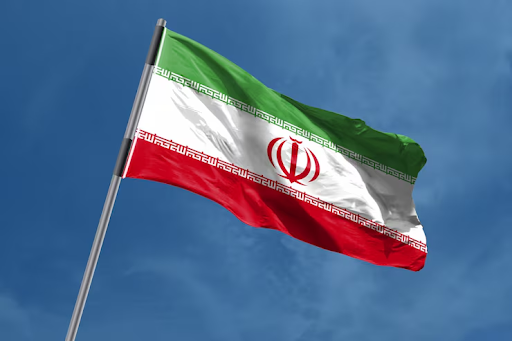
Iran escalated its warnings about the consequences of any American ground operation on Wednesday, with a military official threatening to open “other fronts as a surprise” if the US attempted to seize Iranian territory or conduct naval operations in the Persian Gulf. The threat was widely understood to include expanded attacks on shipping in the Red Sea, which would compound an already severe global energy and trade disruption caused by the Strait of Hormuz blockade.
The warning came in the context of reports that the US was considering an operation to seize Iran’s Kharg Island as leverage to reopen the Strait of Hormuz. Iran’s parliament speaker had already threatened devastating retaliatory strikes against any country that assisted such an operation. The unnamed military official’s threat to open new fronts added another dimension to Iran’s layered deterrence strategy, aimed at convincing Washington that escalation would carry unacceptable costs.
The Red Sea had already been a flashpoint in the broader conflict, with Iranian-linked groups targeting international shipping in the waterway. A significant expansion of such activity could disrupt global trade on a massive scale, affecting supply chains from Asia to Europe. The economic consequences of simultaneous disruptions in both the Strait of Hormuz and the Red Sea would be catastrophic for the global economy.
The US appeared to be weighing these risks as it continued building its regional military presence. The deployment of the 82nd Airborne Division, thousands of marines, and additional naval assets signalled that Washington was not ruling out military escalation. Admiral Brad Cooper of US Central Command reiterated that the military campaign had destroyed most of Iran’s naval assets and production capacity, framing the buildup as a position of strength rather than escalation.
Diplomatically, Iran had rejected the US ceasefire proposal and the gap between the two sides’ negotiating positions remained enormous. Trump continued to insist a deal was possible and that his envoys were in contact with Iranian counterparts. The combination of military buildups, explicit escalation threats, and inconclusive diplomacy made for one of the most dangerous moments of the entire conflict, with the potential for a miscalculation to trigger consequences that would dwarf anything yet seen.
