
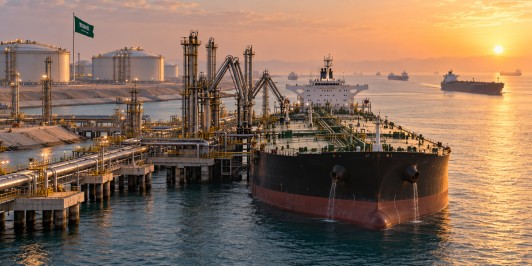
Saudi Arabia has significantly increased its oil sales to Asian buyers, moving nearly 100 million barrels of crude since last week. This development comes as a relief to the region, which faces concerns over potential supply shortages.
The shipments, which are set for delivery in October and November, will mainly pass through the Strait of Hormuz. Key buyers include refineries in China, India, Japan, and South Korea, countries that are navigating tighter supplies and rising oil prices. The disruptions in Iranian oil flows and the reduction in Russian crude purchases due to geopolitical tensions have exacerbated the supply challenges.
The decision to boost oil exports through the Strait of Hormuz is partly due to the recent damage to Saudi Arabia’s East-West pipeline, which was attacked on September 10. While efforts are underway to restore the pipeline’s capacity, Saudi Arabia has had to rely more heavily on the Strait for its oil transportation.
For Asian refiners, especially in China and India, the additional oil supplies from Saudi Arabia are crucial. These refiners have faced the prospect of cutting back production due to the limited supply options and the escalating crude prices.
In the current market environment, competition for crude has increased from other regions such as Africa and Latin America. Meanwhile, Gulf producers are taking on more responsibility for transportation logistics, as buyers remain cautious about arranging their own shipping through areas with heightened security risks.
The additional Saudi shipments offer some respite to Asian refiners as they continue to grapple with the tight global oil markets and ongoing disruptions to major oil supply routes.
